The estrangement between Catholic and Orthodox Christians is the oldest open wound in the Body of Christ, and the Foundation exists in large part to help close it before the schism of 1054 reaches its thousandth year. This guide gathers the books and resources we would put in a reader’s hands first: the works of James Likoudis, himself a convert from Greek Orthodoxy, the essential modern scholarship on both sides of the questions, the Church’s own words, and the living institutions where the dialogue continues.
James Likoudis devoted his life to the cause of reunion, and his books on the question remain the most accessible Catholic treatment of the issues. The first has just returned to print, and the thematic collections that follow, compiled and edited by Andrew Likoudis, gather the harvest of his seven decades of labor.
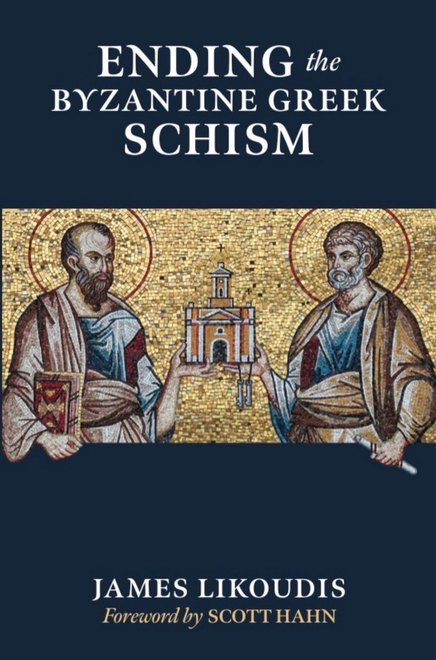
Ending the Byzantine Greek Schism
The definitive Catholic treatment of the theological issues dividing East and West, newly returned to print in a third revised edition. Alongside the author’s own analysis of papal primacy and the Filioque, it gathers the medieval sources themselves: the fourteenth-century Apologia of Demetrios Kydones for unity with Rome and St. Thomas Aquinas’s Contra Errores Graecorum.
Find the Book ›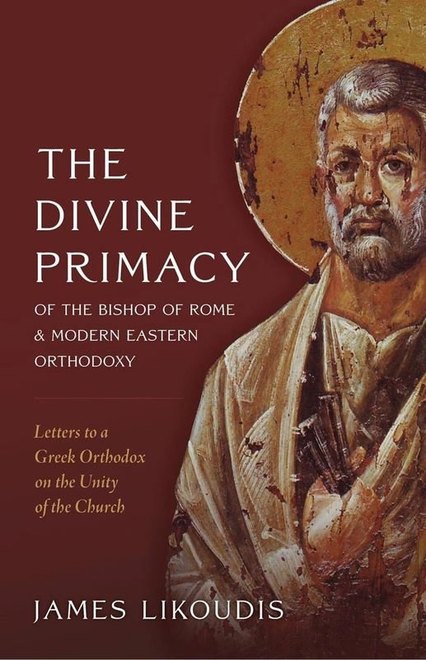
The Divine Primacy of the Bishop of Rome and Modern Eastern Orthodoxy
Written as letters to a Greek Orthodox inquirer on the unity of the Church, a patient case for the primacy of the Bishop of Rome that answers the objections of Orthodox and Protestant critics point by point.
Find the Book ›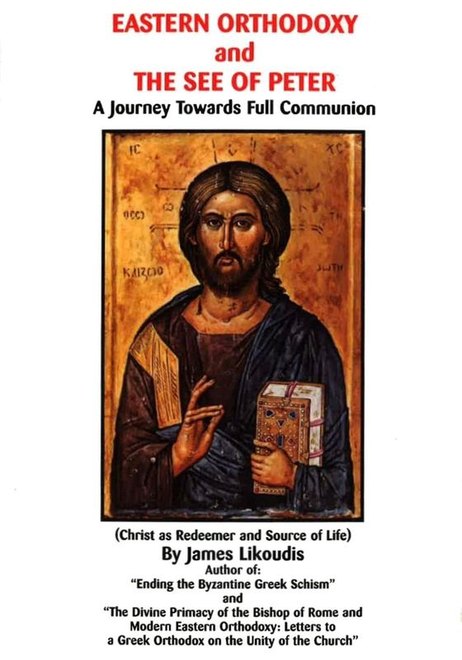
Eastern Orthodoxy and the See of Peter
The third panel of the trilogy, examining the witness of the Christian East itself to the Petrine ministry, from an author whose own journey led from Greek Orthodoxy into full communion with Rome.
Find the Book ›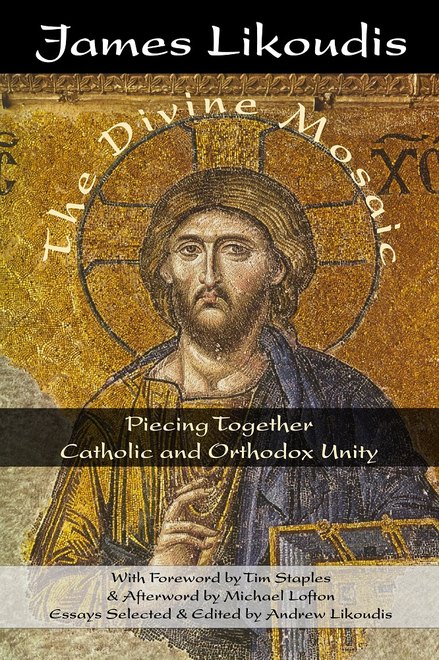
The Divine Mosaic: Piecing Together Catholic and Orthodox Unity
Essays, speeches, and presentations from seven decades of labor for reunion, gathered into a single volume. Among much else it includes his critical review of Siecienski’s scholarship, a Catholic answer to the Orthodox volumes recommended below.
Find the Book ›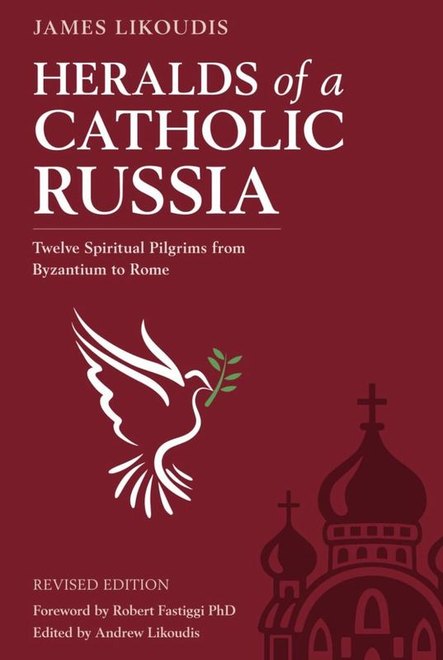
Heralds of a Catholic Russia
Essays on the Russian thinkers and believers who found their way to Rome, and on the enduring hope, bound by Our Lady of Fatima to Russia by name, of that nation’s reconciliation with the See of Peter.
View Details ›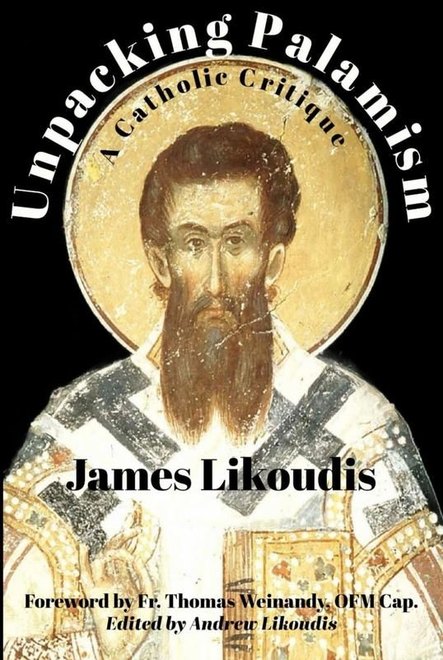
Unpacking Palamism
His essays on Gregory Palamas and the essence–energies controversy, the fourteenth-century dispute that remains among the deepest theological differences between East and West, gathered into a single volume.
View Details ›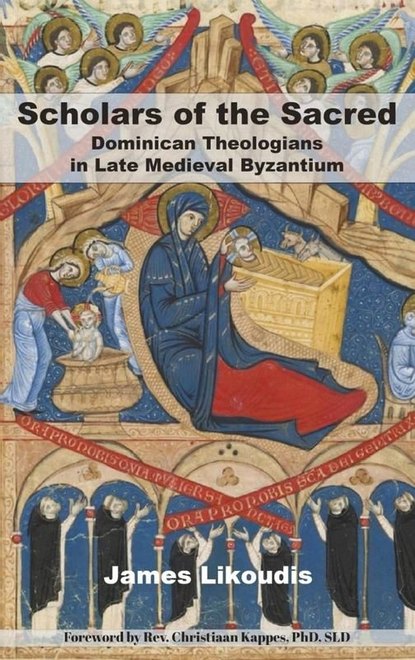
Scholars of the Sacred: Dominican Theologians in Late Medieval Byzantium
Essays on the Dominicans of the late medieval Greek East and the Byzantine minds around them, the world of the Kydones brothers, where Thomism first met the East on its own soil; the tradition from which the Foundation’s own journal takes its name.
View Details ›Eight modern studies that map what is actually in dispute and how the estrangement happened.
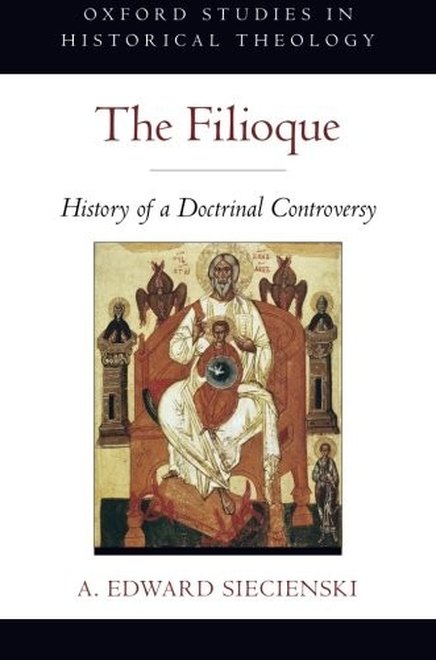
The Filioque: History of a Doctrinal Controversy
The standard scholarly history of the dispute over the procession of the Holy Spirit, traced from the Fathers to the present. Siecienski, an Orthodox historian, is widely credited with fairness to both traditions, though his framing of the disputed questions is his own.
Find the Book ›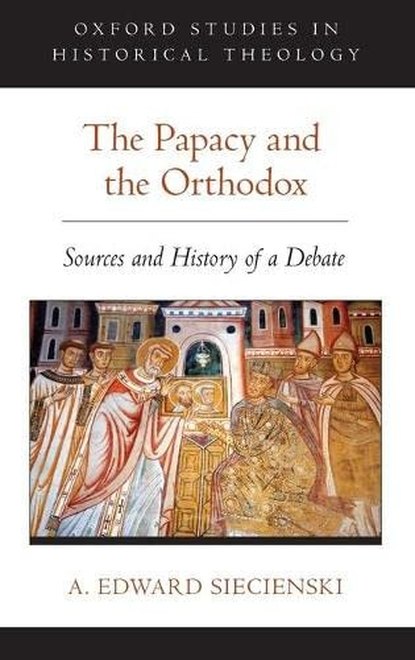
The Papacy and the Orthodox: Sources and History of a Debate
The companion volume on Roman primacy, working through the sources from Peter’s ministry to the modern dialogues; a valuable map of where the real disagreements lie, read with the awareness that its author writes from the Orthodox side of them.
Find the Book ›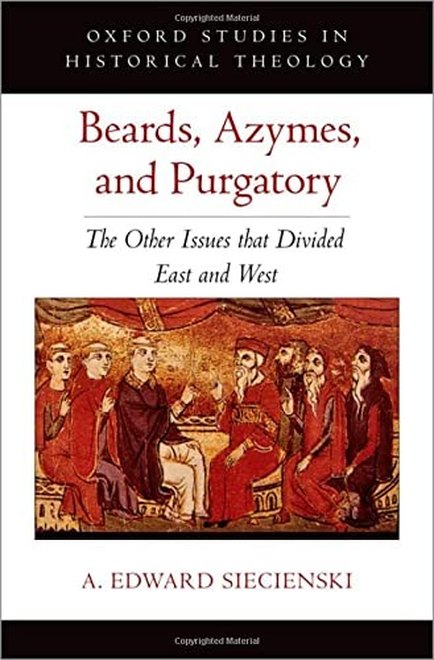
Beards, Azymes, and Purgatory: The Other Issues That Divided East and West
The completion of the trilogy, tracing the disputes history tends to treat as footnotes — clerical beards, leavened versus unleavened bread in the Eucharist, and purgatory — and showing that for centuries these stirred more popular passion than the Filioque itself.
Find the Book ›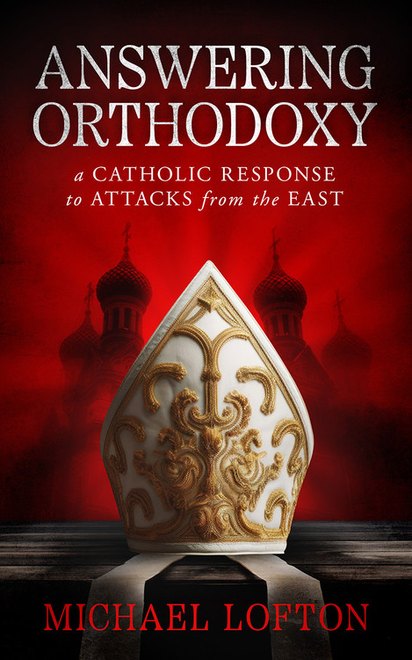
Answering Orthodoxy: A Catholic Response to Attacks from the East
An accessible, question-and-answer response to the most common Orthodox objections, written by an Eastern Catholic who was once Orthodox himself. James Likoudis endorsed the book, praising its demonstration from Scripture and Tradition that Roman primacy belongs to the Church’s visible unity.
Find the Book ›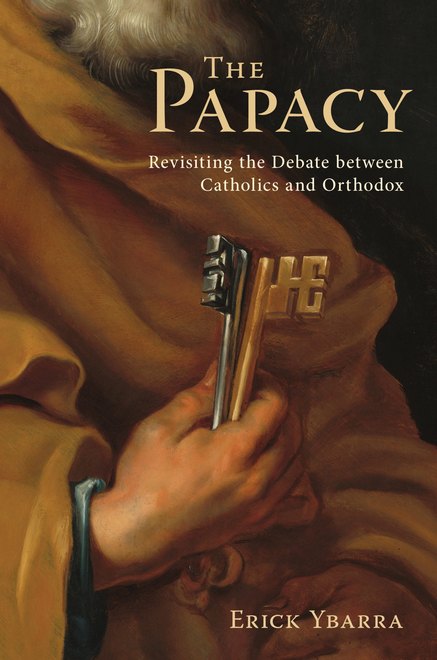
The Papacy: Revisiting the Debate Between Catholics and Orthodox
Nearly eight hundred pages on the first-millennium evidence for the papal office, praised on both sides of the debate for its fairness. James Likoudis endorsed the volume, turning Newman’s famous saying on its head: “To be deep in history is to cease to be Eastern Orthodox.”
Find the Book ›The Papacy: Revisiting the Debate Between Catholics and Orthodox
A massive examination of the first-millennium sources on Roman primacy, attentive to how methodology shapes what Catholics and Orthodox each see in the same texts, and laying the evidence before the reader to judge which communion has kept the first millennium’s inheritance.
Find the Book ›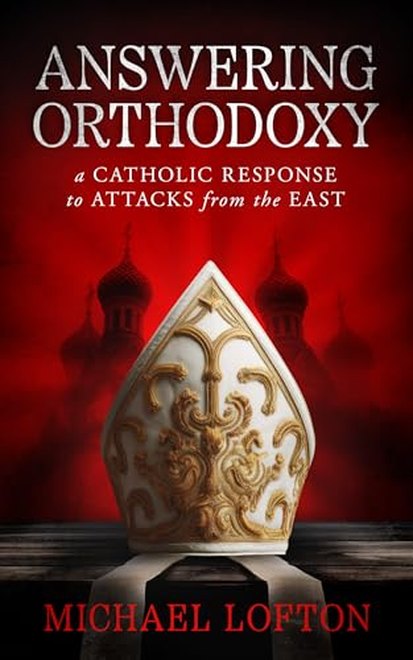
Answering Orthodoxy: A Catholic Response to Attacks from the East
Formerly Orthodox himself, Lofton answers the most common Orthodox arguments against the Church across doctrine, history, and liturgy — and argues that the distance between the two communions is smaller than the polemics suggest. He also endorsed The Divine Primacy above.
Find the Book ›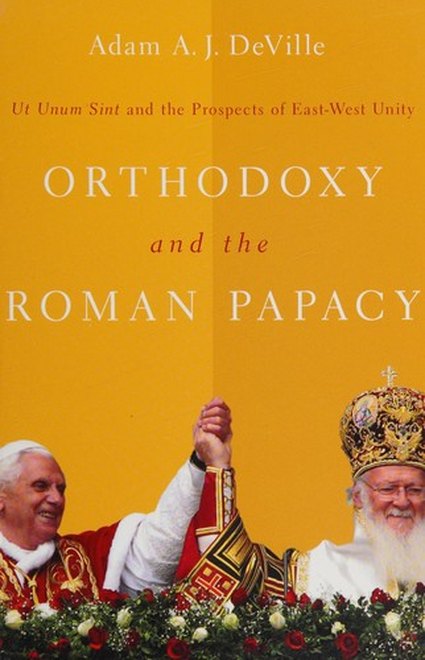
Orthodoxy and the Roman Papacy: Ut Unum Sint and the Prospects of East–West Unity
Takes up John Paul II’s invitation to imagine how the papacy might be exercised in a reunited Church, gathering Orthodox critiques and proposals and answering them with concrete structural suggestions.
Find the Book ›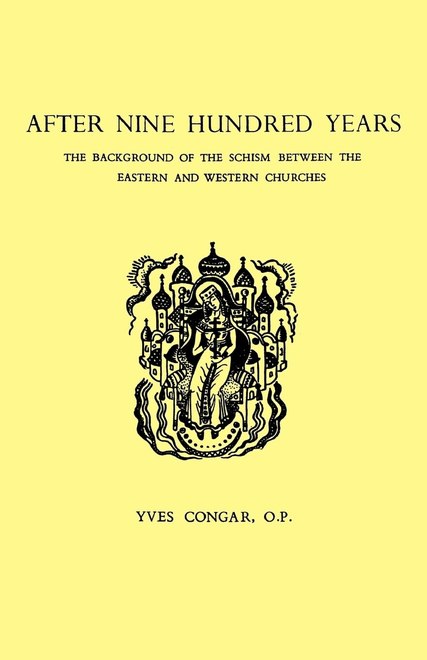
After Nine Hundred Years
Congar’s classic study of the background of the schism, showing how centuries of cultural, political, and psychological drift, as much as any doctrine, made strangers of brothers.
Find the Book ›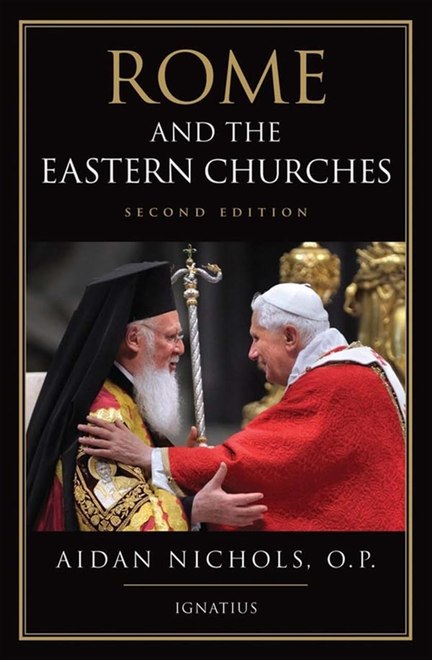
Rome and the Eastern Churches: A Study in Schism
A sweeping Catholic history of the separations between Rome and the Christian East, from the early Christological divisions through 1054 and beyond, with a sober assessment of what reunion would actually require.
Find the Book ›Reunion requires understanding the other as he understands himself. The following is an Orthodox work by an Orthodox author, recommended here for exactly that purpose, as a window into how Orthodoxy presents itself, not as a statement of Catholic teaching.
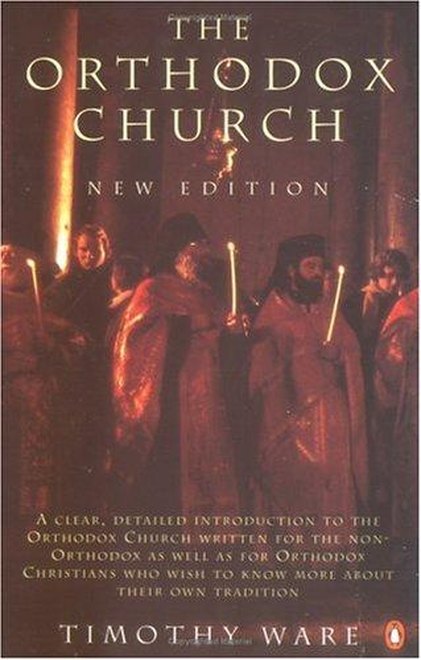
The Orthodox Church
The classic introduction to Orthodox history, theology, and worship, written from within the Orthodox Church by the Oxford scholar and Orthodox metropolitan who was a longtime friend of the Orientale Lumen conferences. Readers should note its accounts of the disputed questions are Orthodox ones.
Find the Book ›Whatever the secondary literature says, the Church’s own voice carries the greatest weight, and all of these documents are freely available online.
Orientalium Ecclesiarum
Second Vatican Council, 1964The Council’s decree on the Eastern Catholic Churches, affirming that their venerable traditions of theology, liturgy, and discipline belong to the full catholicity of the Church and are to be preserved, not latinized.
Ut Unum Sint
John Paul II, 1995The great encyclical on Christian unity, in which the pope invited other Christians to help him find a way of exercising the Petrine ministry open to a new situation, the invitation to which much of the modern dialogue responds.
Orientale Lumen
John Paul II, 1995The apostolic letter on the treasures of the Christian East, issued the same month, from which the Foundation’s partner conferences take their name; the Church, the pope wrote, must learn again to breathe with both her lungs.
The Bishop of Rome
Dicastery for Promoting Christian Unity, 2024The study document synthesizing thirty years of responses to Ut Unum Sint and fifty ecumenical dialogues on primacy and synodality, published with the approval of Pope Francis, and concluding with practical suggestions toward an exercise of primacy in the twenty-first century.
The Ravenna Document
Ecclesiological and Canonical Consequences of the Sacramental Nature of the Church: the agreed statement in which Catholics and Orthodox together affirmed that at every level of the Church’s life there is both synodality and primacy, and that at the universal level the protos is the Bishop of Rome according to the ancient order of the churches.
Read the Document ›
The Chieti Document
Synodality and Primacy During the First Millennium: the commission’s common reading of how authority actually worked in the undivided Church, offered as a shared foundation for resolving what divides the second millennium.
Read the Document ›
The Alexandria Document
Synodality and Primacy in the Second Millennium and Today: the most recent agreed statement, which extends the work of Ravenna and Chieti into the divided millennium itself. It concludes, in the commission’s own words, that the Church is ‘not properly understood as a pyramid’ nor as ‘a federation of self-sufficient Churches.’
Read the Document ›The dialogue is not only a shelf of books; it is a living work carried on by institutions anyone can follow and support.
The Kydones Review
Likoudis Legacy FoundationThe Foundation’s own journal of Catholic–Orthodox scholarship, named for the fourteenth-century Byzantine statesman who translated Aquinas into Greek and made the case for unity from within the East.
The Orientale Lumen Conferences
olfoundation.netAnnual gatherings of Catholic and Orthodox hierarchs, scholars, and laity founded by Jack Figel in 1997, and the only lay ecumenical movement of its kind blessed by bishops and patriarchs of both churches. The Foundation helped organize the thirtieth conference this July at the St. John Paul II Shrine and Retreat House in Washington. Read our report from OL XXX.
The Society of Saint John Chrysostom
Founded 1926An ecumenical association of Catholic and Orthodox clergy and laity promoting the understanding of Eastern Christianity and praying for the unity of East and West, at work in England since 1926 and in the United States since 1998, and a principal sponsor of the Orientale Lumen conferences from their beginning.
The North American Orthodox–Catholic Theological Consultation
Since 1965The oldest continuing official dialogue between the two churches anywhere in the world, whose agreed statements over six decades are a quiet record of how much common ground has already been found.
The Foundation’s work is oriented toward a single hope: that the second millennium of the schism, which begins in 2054, will never arrive. Please share this guide with anyone drawn to that hope, and pray for the unity of East and West.